When I was very young, my eyes always seemed larger than the world in front of me. Everything felt oversized and full of possibility, as if the universe itself was waiting for me to discover it. My imagination ran endlessly, fueled by dog-eared comic books, Saturday morning cartoons, and the sugary snap of bubble gum on hot summer afternoons. Childhood in Montreal felt pure, uncomplicated, and touched with a kind of everyday magic that only kids can truly understand.
As I grew older, my curiosity pushed me farther than the familiar corners of my block. I began exploring every inch of my Rosemont–La Petite-Patrie neighborhood, wandering like a miniature adventurer searching for something extraordinary. I did not know it then, but I was about to find a real-life superhero walking our streets. His name was the Great Antonio.
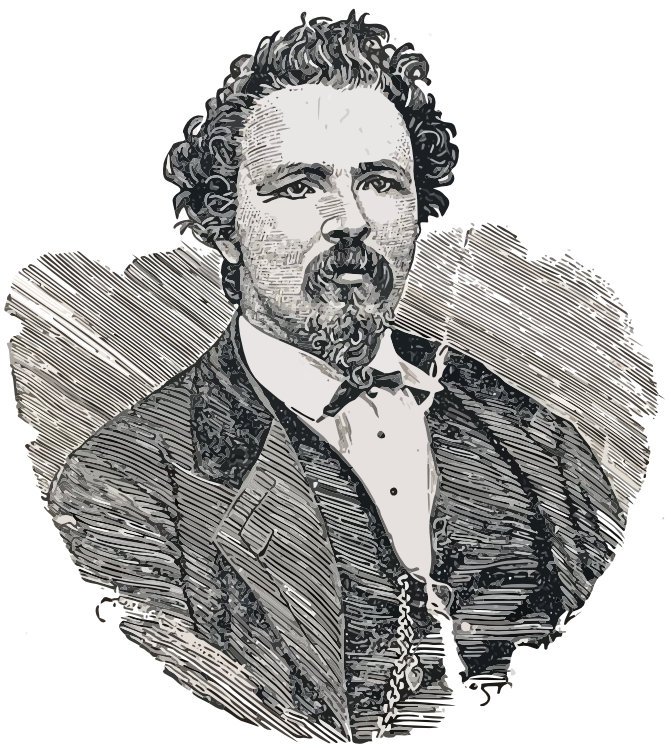
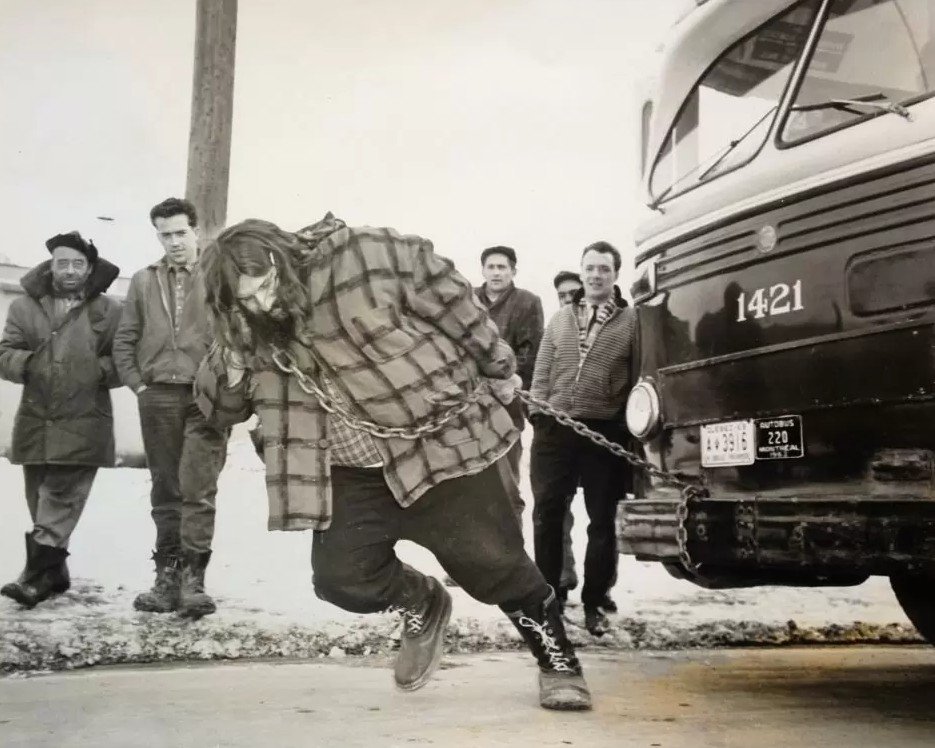
Antonio Barichievich was born in Yugoslavia in 1925 and moved to Canada in 1946. By the time I first laid eyes on him, he was already a Montreal legend. At the height of his fame, he stood six feet four inches tall, weighed close to five hundred pounds, and wore size twenty-eight shoes that looked more like small canoes than footwear. He once made it into the Guinness Book of World Records for pulling a four-hundred-tonne train in Montreal. One of his most famous feats took place right here at home when he dragged four buses packed with passengers up St Laurent Boulevard.
His appearance was unforgettable. He had long tangled hair with thick knots from rarely showering, and his clothes often looked like they had survived a lifetime of adventures. Even from a distance, one could imagine the sheer force of sweat and effort that powered his incredible strength. To a child with a head filled with superheroes, he looked exactly like someone who had stepped out of my comic books.
He also built a vibrant wrestling career, performing under ring names like “Narcissus” and “The Great Antonio.” He became part of Canadian wrestling history through Stu Hart’s legendary Stampede Wrestling in Calgary, a promotion known for producing some of the biggest names in the sport. His career even stretched across the ocean when he wrestled for New Japan Pro Wrestling, adding another chapter to his already extraordinary life.
His fame did not stop at the borders of Montreal. The Great Antonio appeared on major television shows, including The Tonight Show and The Ed Sullivan Show. He even ventured into film, starring in the hit movie Quest for Fire and the cult film The Abominable Snowman. His feats went beyond buses and trains. He once dragged a car using only his long, braided hair. He was known to carry six people on his shoulders at once and wrestle up to eighteen men in a single match. In every story, he seemed larger than life because he truly was.

During my high school years, I often saw him during my daily commute. Those old Montreal buses rattled and shook every time they crashed into one of the city’s infamous potholes. The Quebecois call them nid de poule, chicken nests, though they looked more like lunar craters swallowing the wheels whole. Passengers would bounce around like popcorn, while Antonio sat outside on the sidewalk, steady as a mountain and impossible to miss.
As time went on, even legends began to shrink. When I went off to college, I found him again downtown. He had become a familiar fixture on the busy streets, selling signed photos of himself and recounting his legendary feats to anyone willing to listen. He was his own public relations machine, telling his stories with enthusiasm until the end of his life. The details shifted from day to day, but his spirit remained bright.
Antonio had an extraordinary affection for children, and he showed it in the most unforgettable ways. One of his favorite tricks was to lift kids by his long, thick braids and spin them gently in a full circle, transforming himself into a living merry-go-round. The children howled with laughter, their feet kicking in the air, while parents stood nearby, torn between amazement and shock. Antonio just grinned, as if these moments of pure joy were the fuel that kept him going.
Looking back, you can imagine the reaction if someone tried that today. Modern parents would sound the alarm before the first spin even began. Yet for those who remember him, that rough exterior hid a warmhearted soul. Even through his struggles in later years, Antonio carried a simple, genuine kindness that stayed with everyone who crossed his path.
He lived until the age of seventy-eight and died of a heart attack. He left behind a few possessions, but he left behind something far more meaningful. His personal archives, filled with news clippings, photographs, and records of his feats, are now preserved by the Musée McCord Stewart in Montreal. They are a testament to a man who shaped the city’s cultural identity in his own eccentric way.
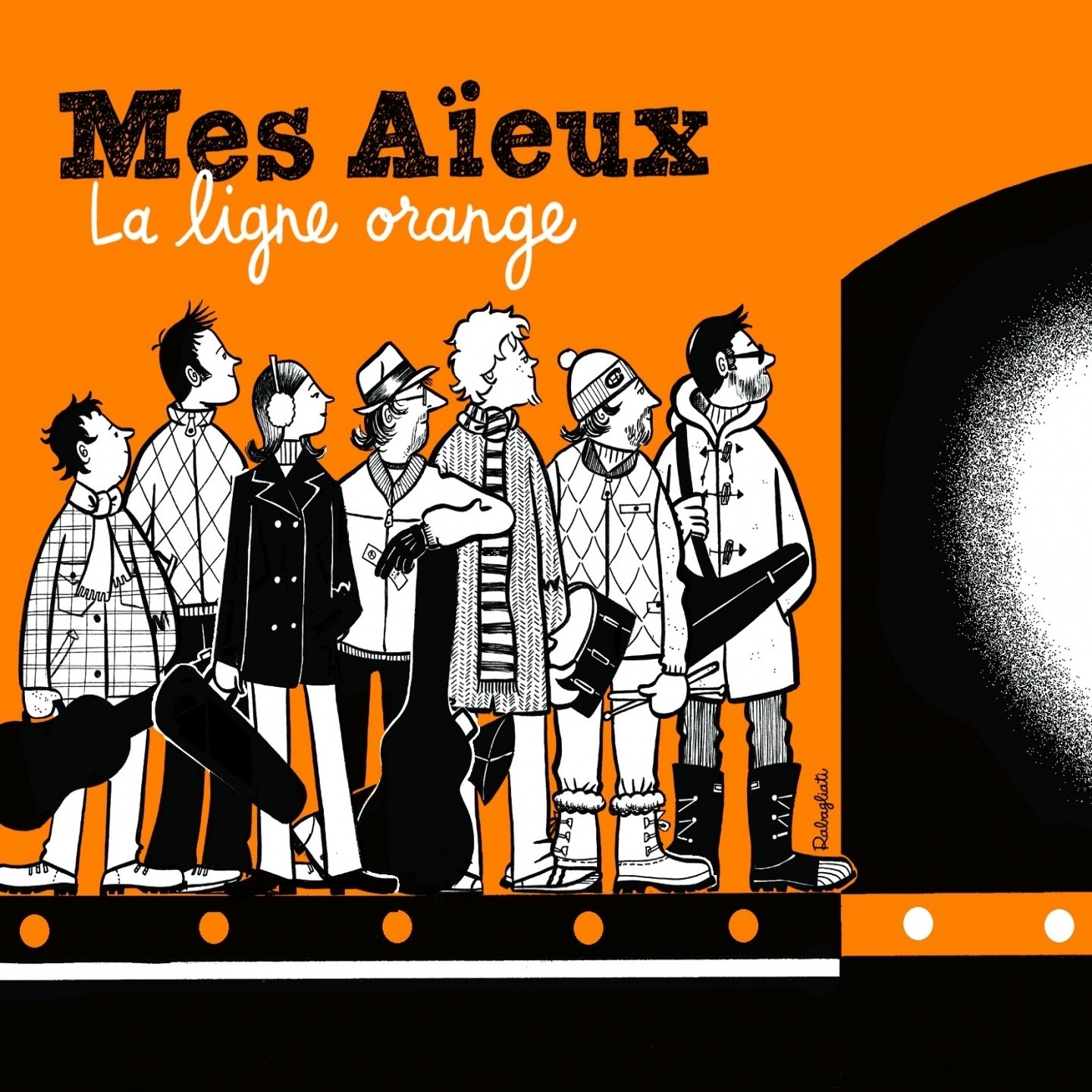
The Great Antonio continues to surge through Montreal’s pop culture with a fierce, unforgettable warmth, woven into the city’s music, legends, and collective heartbeat. One of the most stirring tributes comes from Mes Aïeux, the celebrated Quebec folk and neo-traditional group founded in 1996 by Stéphane Archambault. On their track Pourquoi donc as-tu brisé mon cœur? The Great Antonio himself sings, his raw, unmistakable voice bursting through with emotion. It may not have the polish of Piaf, but it radiates its own powerful sweetness, a musical embrace from artists who clearly adored him. The title, which translates to Why Did You Break My Heart, captures with beautiful simplicity the spirit of a man who was both myth and flesh, both legend and deeply human.
Believe it or not, the Great Antonio’s larger-than-life legacy extends even into the world of spirits. Honoring his iconic presence, the Quebec Liquor Commission offers a unique drink named after him: Grand Antonio Orange Fruit Liqueur. This vibrant, citrus-infused liqueur captures a hint of the strength, character, and playful spirit that made Antonio a beloved Montreal legend. Fans and collectors alike can enjoy a taste of local history with every sip, celebrating the man who continues to inspire fascination and admiration decades after his feats of strength.
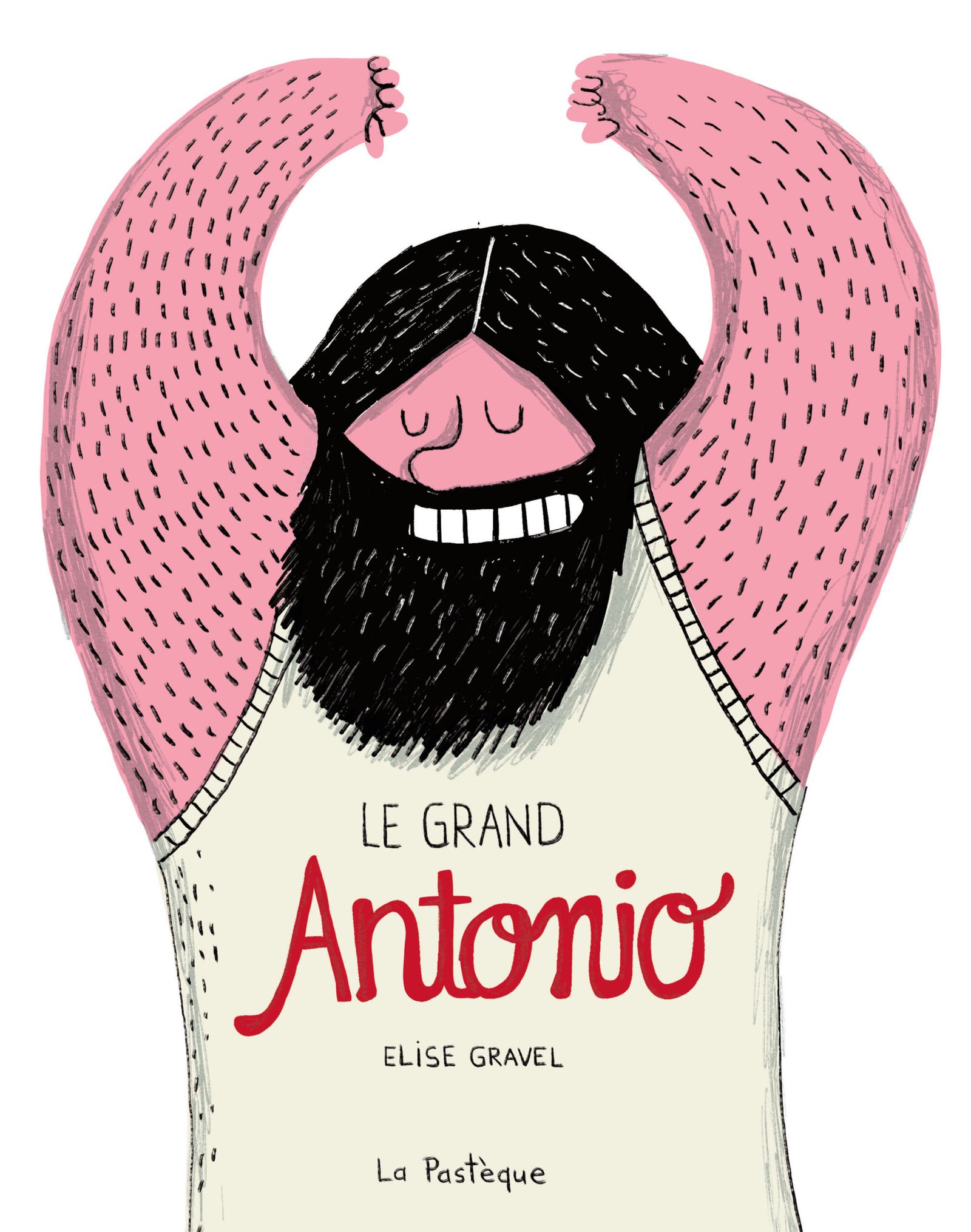
His story continues to inspire. Author Elise Gravel wrote a semi-biographical children’s book titled The Great Antonio, a heartfelt tribute that celebrates his extraordinary life, his gentle personality, and the joy he brought to his community.
There are not many characters like the Great Antonio left in the world. He belonged to a time when local legends walked the sidewalks, when neighborhoods had personalities as vivid as their people, and when a child like me could believe that magic lived just around the corner. Thinking of him brings me back to the Montreal of my youth, a city that felt endless, colorful, and always full of wonder.